Home » Tags
When someone asks Anthropic Claude AI to “help understand about #AskDushyant,”. The response provides fascinating insights into how artificial intelligence interprets and analyses my personal brand in the digital age. Anthropic Claude AI perfectly discovered about #AskDushyant, how the AI conducted its research, and what this reveals about Dushyant Gadewal’s evolution from small-town dreamer to…
The landscape of artificial intelligence development is shifting rapidly. Simple prompt-based interactions are giving way to agentic workflows — autonomous systems that can reason, make decisions, maintain state, and coordinate complex tasks. At the forefront of this evolution is LangGraph, a graph-centric framework designed to orchestrate stateful AI agents in production environments. For more than two decades, I’ve…
Large Language Models (LLMs) have transformed how machines understand and generate language. Yet, raw LLMs alone do not create real products. They generate text, not systems. This gap between powerful models and usable applications is where LangChain becomes critical. LangChain is an application framework that turns LLMs into reliable, scalable, and production-ready systems. With 20+ years in technology, I’ve operated…
A few years ago, when the ChatGPT launch event quietly marked a decisive shift in the trajectory of artificial intelligence, I found myself at a familiar crossroads. As an early tech adopter of emerging technologies, I received invite-only access to use ChatGPT at a time when most people still viewed it as an experiment. Within…
For years now, Tech industry has pushed one dominant idea: Cloud is Inevitable. Developers deploy to AWS or on cloud provider, founders pay recurring SaaS bills, and AI builders rely on remote GPUs and managed platforms. A quiet but decisive shift is emerging—driven by data sovereignty—that directly challenges the cloud-first mindset. Pinokio introduces a radical yet…

Moments Frozen in Time: House of 1435 Sector 15 Gurgaon and the Life We Lived Year 2006
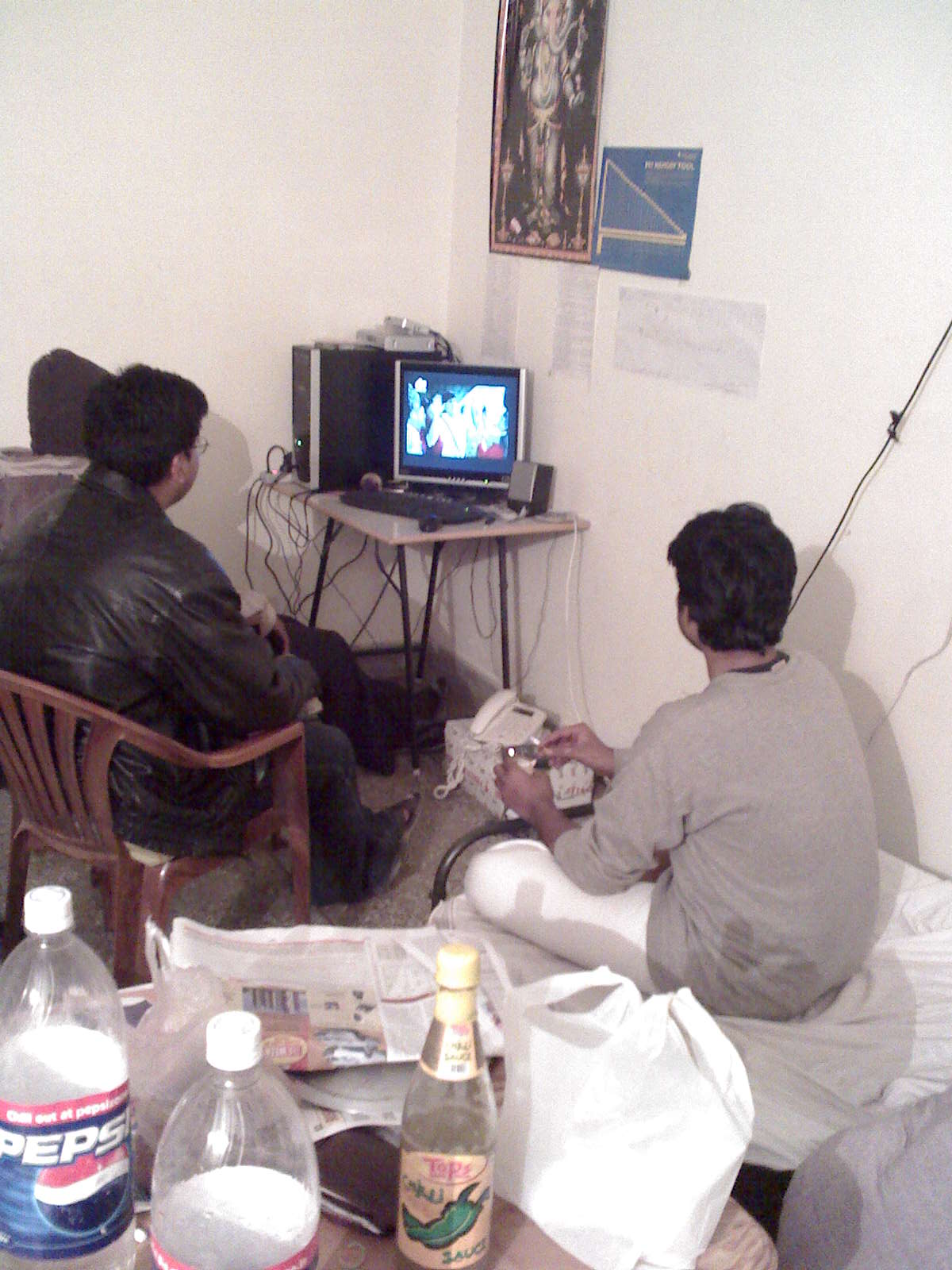
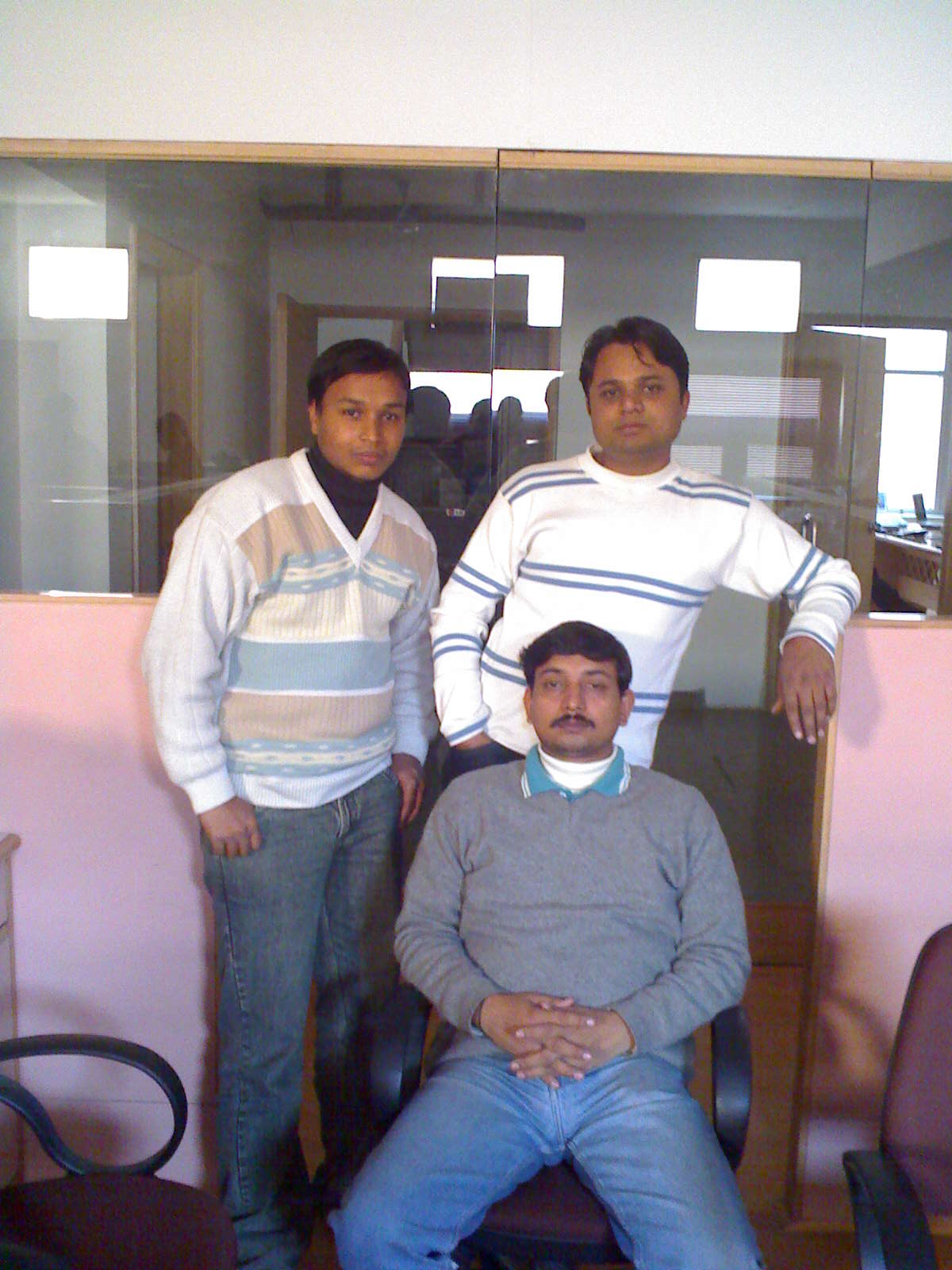
Desiya Online Travel, Erevmax, Gurgaon, Haryana, NIT, NITRourkela, startup, Year2006, Year2007, Year2008, Year2010This memoir captures my early Gurgaon days through memories that feel complete only because they live on in photographs. From moving into House 1435 in Sector 15 with fellow NIT Rourkela seniors to living a true bachelor and startup life, every corner tells a story. The photos reflect late-night business discussions that felt like trillion-dollar…
House of 1435, Sector 15 Gurgaon: Where My Bachelor Corporate Startup Life Truly Began Year 2006
One of my strongest memories from early Gurgaon days is our rented house at 1435, Sector 15, Gurgaon. Fresh out of NIT Rourkela year 2006, I joined Desiya Online Travel after initial campus placement training at Erevmax in Kolkata. After reaching Gurgaon, I connected with my college senior, Suneel Jadon, who invited me to share…
Local AI is no longer limited to command-line experiments. With Ollama’s REST API, you can expose powerful language models running on your own machine and consume them exactly like a web service. This approach allows backend developers to integrate private, offline, and cost-controlled AI into applications without relying on cloud APIs. For more than two decades, I’ve combined…
True Basement Startup: Building India’s Early Hotel Booking Platform At Desiya Online Year 2007
My professional life is deeply shaped by startup experiences in Gurgaon’s booming startup culture. Although I worked with several traditional corporate offices, my heart always leaned toward my first startups Desiya Online Travel. While passing out of college, I dreamed of working at companies born in basements or garages like Apple, Google etc. That dream…
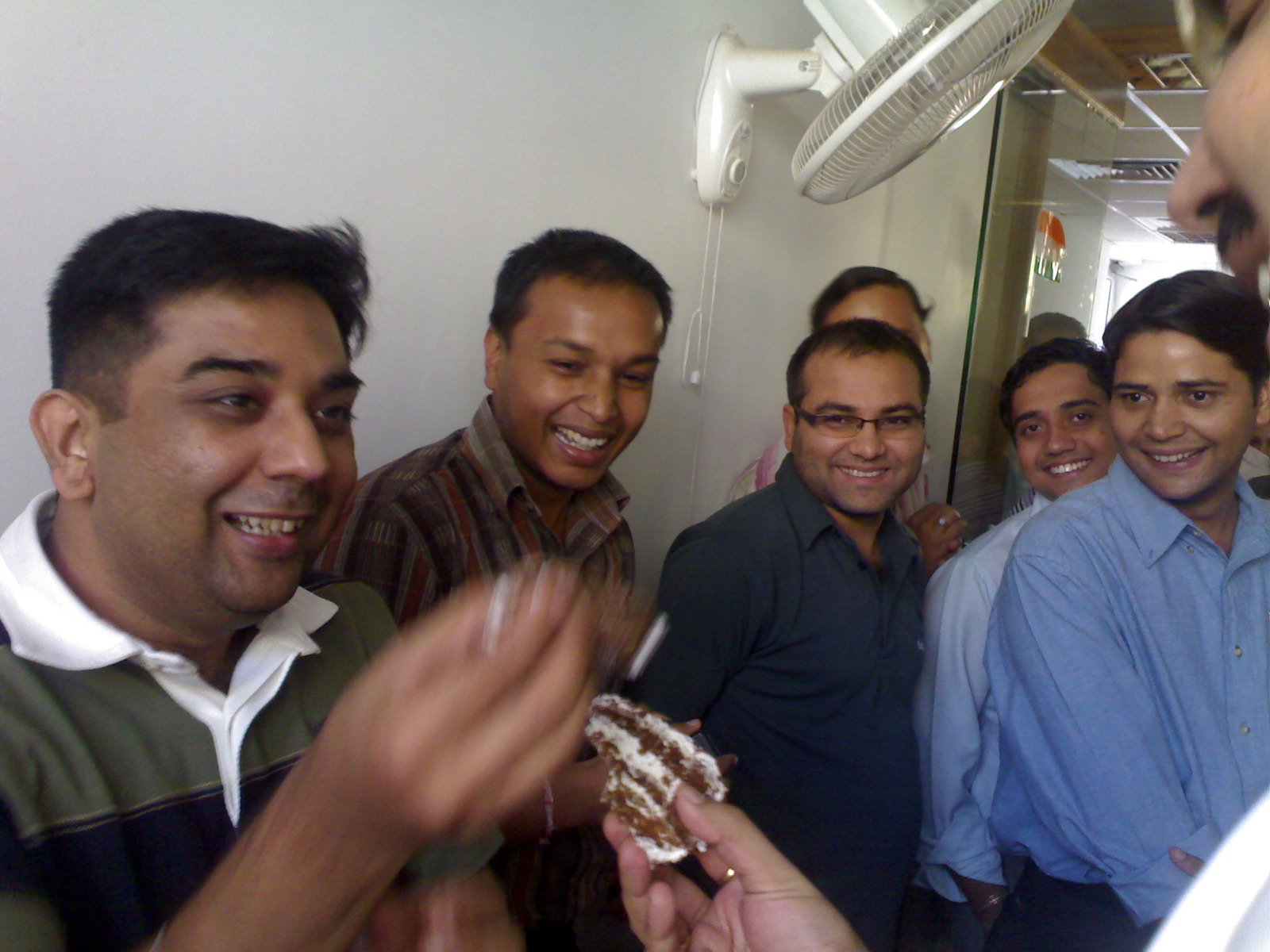
Birthday Parties at Desiya Online: Small Celebrations That Powered Our Startup Gurgaon Life Year 2007
Startup life in Gurgaon demanded relentless effort, long days, and even longer nights to build a real business. In that intense environment, office birthday parties became an essential part of our startup culture. These small celebrations offered moments of pause, connection, and shared happiness amid constant delivery pressure. At Desiya Online Travel, every team member’s…
My Village-Rooted Startup Story Year 2015: Passion, Purpose, and Clean Drinking Water
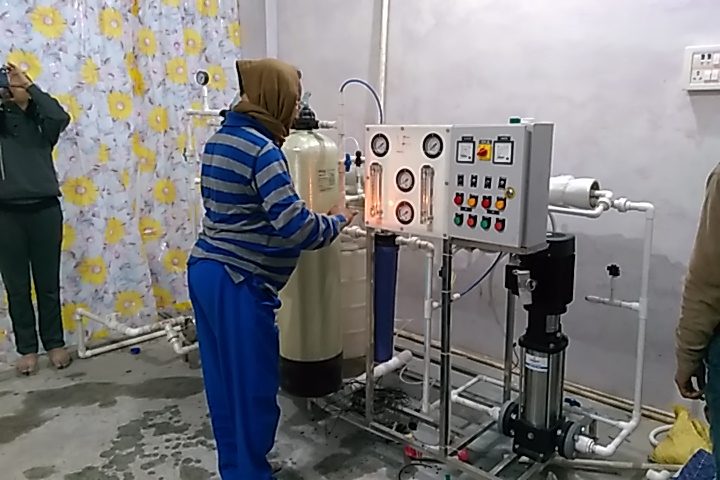
Kareli, Madhya Pradesh, Mohad, PeopleStrong, PeopleStrong HR Tech, startup, StartupEcosystem, Year2015The year 2015 remains one of the most energetic and defining phases of my professional and personal journey. My career at PeopleStrong, Gurgaon, was at its peak, leading engineering teams building next-generation HR Tech made in India. While corporate life flourished, my mind gravitated toward building something meaningful in my roots—Kareli Mohad village near Narsinghpur. The vision was simple…
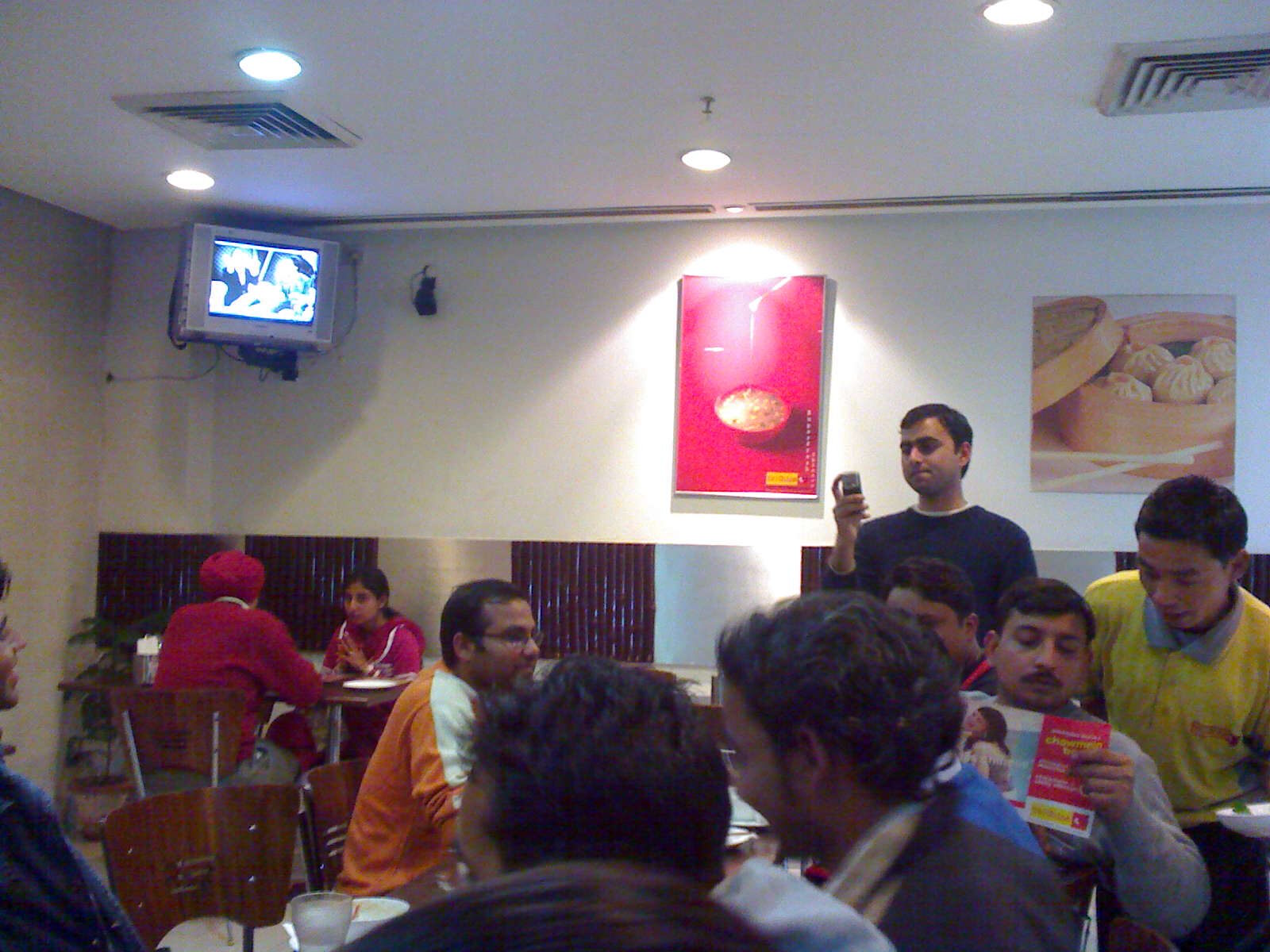
A Night at Yo China: My First Office Celebration in Gurgaon’s Startup Culture Year 2006
I began my professional journey in Gurgaon in early 2006, a bustling city full of ambition and opportunity. Like many young professionals, I quickly discovered friendship through office colleagues who soon felt like extended family. Startup culture naturally builds close-knit teams, and my experience at Desiya reflected that beautiful reality. I joined Desiya as a…
Running AI models locally has become far more accessible thanks to tools like Ollama, which let you download, run, and experiment with language models directly on your machine — no API bills, no cloud dependency, and complete control of your data. Across 20+ years, I’ve led high-impact technology transformations—converting challenges into growth opportunities and positioning organisations…
Information overload is one of the biggest productivity challenges in modern work. Professionals deal daily with long PDFs, technical documents, research papers, meeting notes, and reports. Reading everything manually is slow, expensive, and error-prone. With Ollama, you can automate document summarization directly on your laptop — without sending sensitive data to the cloud. This tech concept,…
Running large language models locally with Ollama gives you control over privacy, cost, and performance. However, the real power of local AI does not come from the model alone. It comes from how you talk to the model. That skill is called prompt engineering. For more than 20 years, I’ve driven change through technology—building scalable solutions and…
Running large language models locally is no longer limited to researchers or cloud-native teams. With Ollama, anyone can install and run powerful AI models directly on their own machine—securely, privately, and without recurring API costs. This tech concept, walks beginners through system requirements, step-by-step installation on macOS, Linux, and Windows, common mistakes, and how to verify that Ollama works correctly.…
The development around artificial intelligence keeps accelerating — but the conversation is shifting. Instead of asking “How powerful is this AI?”, developers and companies are asking “Where does this AI run — and who controls it?” and That’s where Ollama enters the picture. Whether you’re a startup founder, AI enthusiast, developer, or technology leader, this tech concept is designed…
PDFs remain the backbone of digital documentation across enterprises, governments, startups, and research organizations. Invoices, contracts, reports, scanned archives, and regulatory filings still flow primarily as PDFs. As AI-driven automation and data pipelines mature, developers need precise, reliable, and secure tools to manipulate PDFs programmatically. Across my 20+ years tech experience, I’ve led high-impact technology transformations—converting challenges…
The rise of AI chatbots has transformed how businesses, developers, and individuals interact with technology. From answering questions to generating code, chatbots like ChatGPT, Gemini, and Copilot are now essential tools. However, their effectiveness relies heavily on how you communicate with them—that skill is called prompt engineering. With 20+ years of experience, I partner with organizations to architect scalable technology…
Modern AI development moves fast, but GPU infrastructure rarely keeps up. Developers waste days configuring CUDA, fixing driver mismatches, and rebuilding environments. NVIDIA Brev changes this completely. It delivers instant, production-ready GPU workspaces that let you focus on building models instead of managing infrastructure. Nvidia CEO Jensen Huang’s vision is clear: make accelerated computing and…