Home » Tags
Artificial intelligence is fundamentally changing how creators think, design, and produce visual content. What once required large teams, long timelines, and expensive tools can now emerge from a rough sketch or a casually clicked photo. Modern generative AI (ChatGPT, Gork, Leonardo.ai ..etc) does not replace creativity; it amplifies it. Makers can now focus on ideas,…
Enterprises increasingly want AI systems that understand their internal language, policies, and documents, without exposing sensitive data to public cloud models. Traditional approaches like keyword search or basic RAG systems often fall short when consistency, reasoning, and domain understanding matter. Unsloth framework changes this equation: It enables teams to fine-tune state-of-the-art open-source large language models directly…

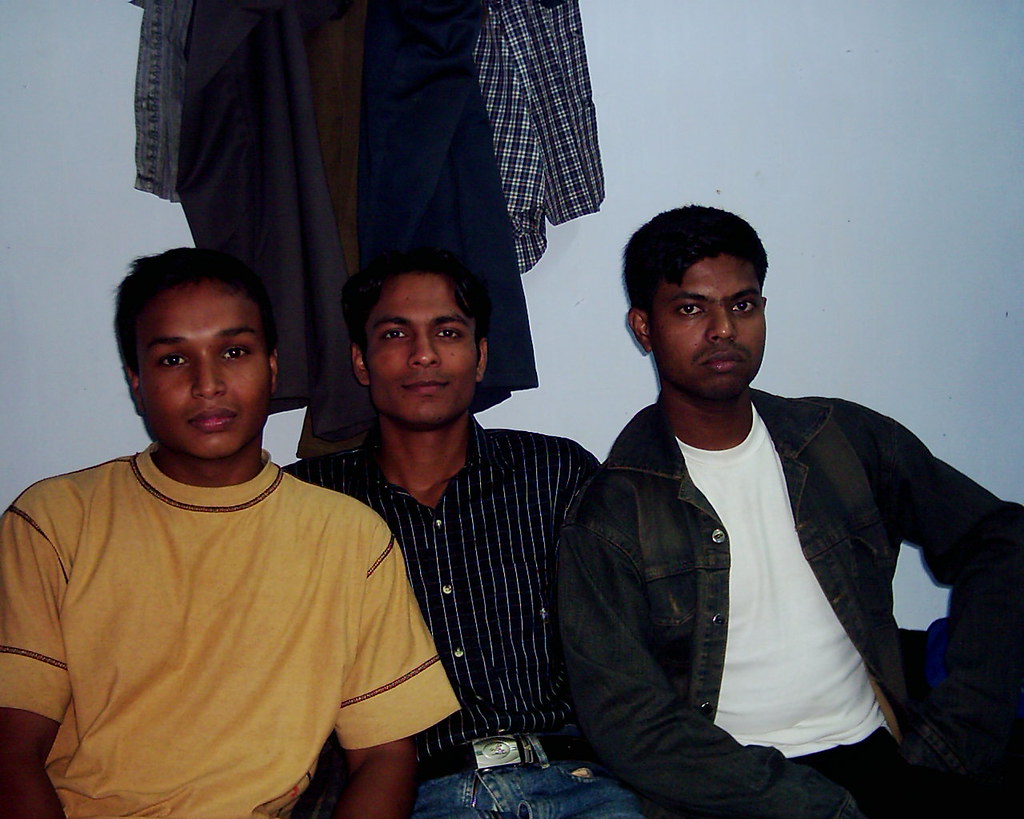
Memories of C16 Hall 5, NIT Rourkela: The Room That Shaped Me
Some places do not just host you; they quietly shape the person you eventually become. For me, NIT Rourkela holds some of the most defining and unforgettable memories of my life. Among them, Hall 5 played a vital role in shaping my thinking, friendships, and independence. We lived, learned, debated, innovated, and bonded there—24×7, without pause. The Power of…
AI is no longer confined to centralized data centers. It now operates across a distributed continuum where data is created, processed, and acted upon in real time. Modern enterprises increasingly design their systems around a three-layer architecture: Edge → On-Prem → Cloud. This model allows organizations to balance latency, security, scalability, and cost while deploying AI…
Modern AI research no longer requires a million-dollar data center. A single consumer-grade NVIDIA RTX GPU, paired with a high-end CPU, can support serious experimentation across large language models, vision systems, speech pipelines, and multimodal AI. This shift has democratized applied AI research and accelerated innovation for startups, independent researchers, and small labs. For over…
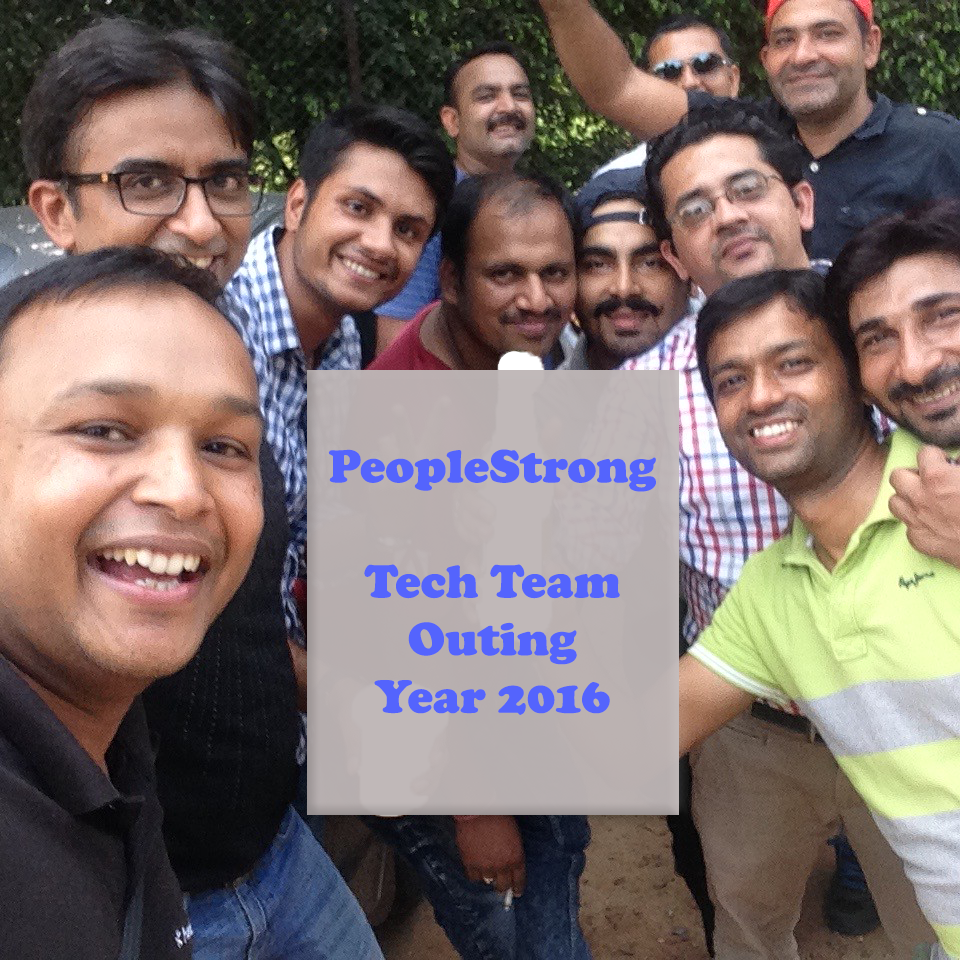
Startup Team Culture at Its Best: A PeopleStrong Outing to Remember Year 2016
Startup culture has an untold truth: your organization becomes a small, close-knit family. You work hard, push limits daily, and celebrate together to stay motivated and connected. During my time at PeopleStrong, team outings played a vital role in building energy and trust. One such unforgettable experience took place in September 2016, at a resort on the outskirts…
Captured in Frames: A PeopleStrong Team Outing I’ll Always Remember Year 2016
This photo frame memoir captures a vivid chapter from my PeopleStrong startup journey, where work felt like family and memories were created beyond office walls. In September 2016, our team outing to an adventure resort near Gurgaon became a perfect reflection of startup culture—high energy, broken hierarchies, shared laughter, and pure bonding. Explore the Original Memoir: >>…
Editing large files on production servers is a reality every serious engineer eventually faces. Log files run into gigabytes. Configuration files stretch across thousands of lines. One wrong command can freeze your terminal—or worse, overload a live server. This is where the VI editor earns its reputation. For 20+ years, I’ve lived at the intersection of code…
In the Linux world, tools come and go, but a few remain timeless. The VI editor is one of them. Despite being over four decades old, VI continues to be a core skill for Linux server administrators, DevOps engineers, cloud architects, and software developers. Whether you manage on-prem servers, cloud VMs, containers, or embedded systems, knowing VI…
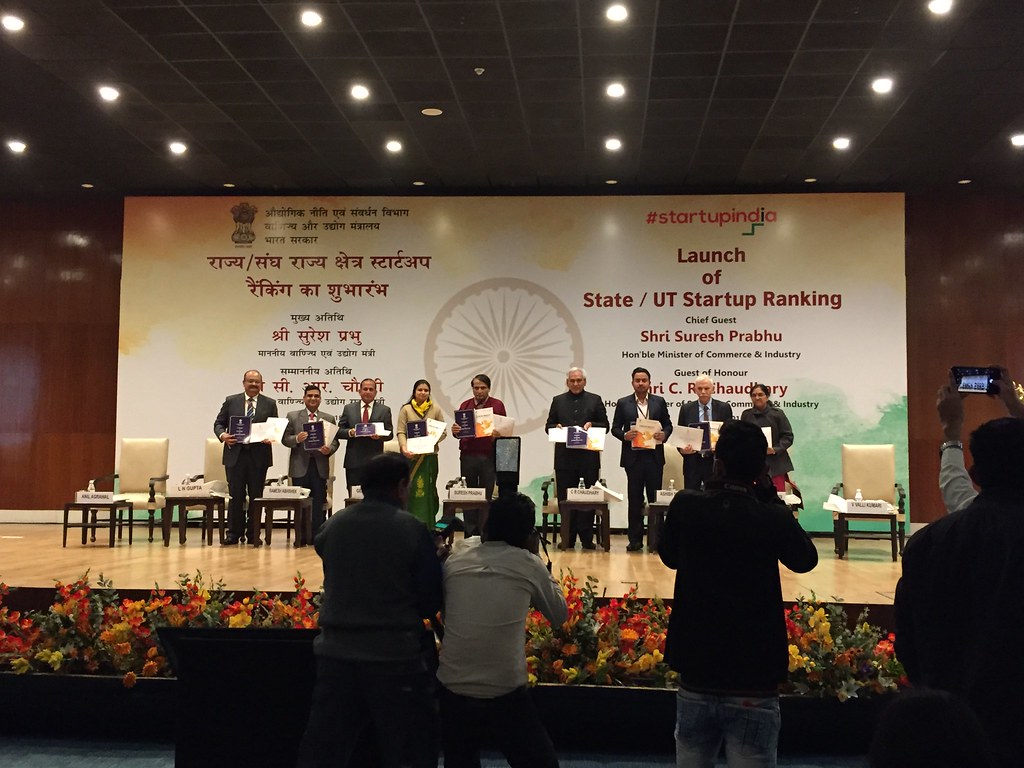
Attending a Startup India Conference: A Founder’s Inside View of Government-Led Startup Initiatives Yr 2018
In India, startups have traditionally grown within the private sector, driven by ideas, funding, and market-led acceleration. A significant shift began under the BJP-led government with Prime Minister Narendra Modi, who actively promoted a nationwide startup culture. One key initiative was ranking Indian states on startup friendliness, bringing governance into the innovation conversation. As a founder of ArcTop Labs…
Meeting a War Legend: A Rare Moment With Retired Major General GD Bakshi Year 2014
Some moments in life arrive quietly yet leave a lasting imprint on your thinking and values. One such rare moment came in November 2014, when I met Retired Major General Gagan Deep Bakshi. He is a decorated Indian Army veteran, respected combat leader, author, and widely known military and war analyst. Today, he appears regularly on national television discussing wars,…
Growth rarely announces itself loudly. It shows up quietly—one reader at a time, one country at a time, one request at a time. For NextStruggle.com, 2025 was exactly that kind of year. In 2025, NextStruggle.com quietly evolved into a global chronicle, capturing technology, memoirs, social observations, and lived experiences through my #AskDushyant lens. What started as a personal…
Reflecting on 2025: A Year That Quietly Changed Everything
Looking back at 2025, time felt unusually fast despite a calmer and less stressful lifestyle.Work never truly stopped, but the pressure softened, creating space for reflection and presence. Life reminded me that busyness does not always mean progress. Sometimes, stillness carries deeper lessons than constant motion. Fatherhood: Learning Life Again Through Small Eyes This year revolved…
Riding Through Fog and Darkness: A Harley Davidson Memoir from NCR to Indore Year 2025
BikeRide, DelhiNCR, Gwalior, HarleyDavidson, Madhya Pradesh, MotorcycleDiary, NewDelhi, Solo Ride, Yamuna Expressway, Year2025On 15 December, I set out on one of my most audacious adventures, riding my Harley Davidson from NCR to Indore—over 850 kilometers in a single day. This long-distance bike ride tested every rule riders usually avoid. My ride began in winter fog, racing uncertainty about reaching on time, a firm decision not to postpone,…
Crypto security rarely fails because cryptography is weak. It fails because attackers understand human behavior better than most users do. In my 20+ years in the technology industry, I’ve learned that most security failures don’t happen because cryptography is broken—they happen because human trust is. Fake crypto apps and wallets have now become one of the…
Cryptocurrency ownership rests on one fundamental principle that never changes: whoever controls the private keys controls the money. Everything else—apps, exchanges, dashboards, and interfaces—is merely a layer of convenience. Hardware wallets exist to ensure that this control remains firmly in your hands, secured offline and beyond the reach of digital threats. Over my 20+ years in…
Entering the crypto world often starts with a wallet. But many beginners make a critical mistake: they assume one wallet can support every blockchain. The reality is different blockchains operate on independent networks, use different address formats, and rely on unique transaction rules. Sending crypto to a wallet that doesn’t support that network can result in permanent loss of funds.…